

A water meter key is a metal tool used to open meter boxes and turn the main water valve. To use it, locate the meter box near the curb, insert the key to lift the lid, attach the socket to the valve stem, and turn clockwise to shut off water or counterclockwise to restore flow. Always wear gloves, avoid forcing stuck valves, and call a plumber if the valve resists. Choosing the right type of key (T-handle, adjustable, multi-head, or long-handled) ensures proper fit and prevents damage.
A water meter key is a simple but essential tool for homeowners, plumbers, and property managers. It allows you to open a water meter box, read usage accurately, and shut off the main supply in emergencies. Knowing how to use a water meter key can save time, prevent damage, and even lower repair costs. In this guide, you’ll learn what a water meter key is, the different types available, and step-by-step instructions for using it safely and effectively.
Understanding What a Water Meter Does
A water meter is typically installed near the property boundary or within the premises, often in a small underground box or pit. It records the volume of water that flows through the main supply line, allowing both the utility provider and the property owner to track water usage.
Water meters come in various types, including analog dial meters and digital meters. Regardless of the type, reading the meter usually requires access to the meter box, which is secured to prevent tampering and accidental damage. This is where the water meter key becomes essential.
What Is a Water Meter Key?
A water meter key is a specialized tool designed to open water meter boxes or pits and operate the valve that controls water flow. These keys come in different shapes and sizes depending on the manufacturer and the type of water meter installed. Typically, they are made of durable metal and feature a long handle to provide leverage when turning valves or lifting heavy lids.
Why Do You Need a Water Meter Key?
There are several reasons why you might need to use a water meter key:
- Reading the Meter: To access the meter for reading water usage manually.
- Shutting Off Water: In emergencies or for maintenance, the water supply can be turned off using the meter key.
- Maintenance and Repairs: Plumbers and utility workers use the key to open meter boxes and operate valves during repairs.
Types of Water Meter Keys and How to Choose the Right One
Water meter keys vary widely in design, and selecting the correct one is crucial for effective use. Using the wrong key can damage the meter box or the valve, leading to costly repairs.
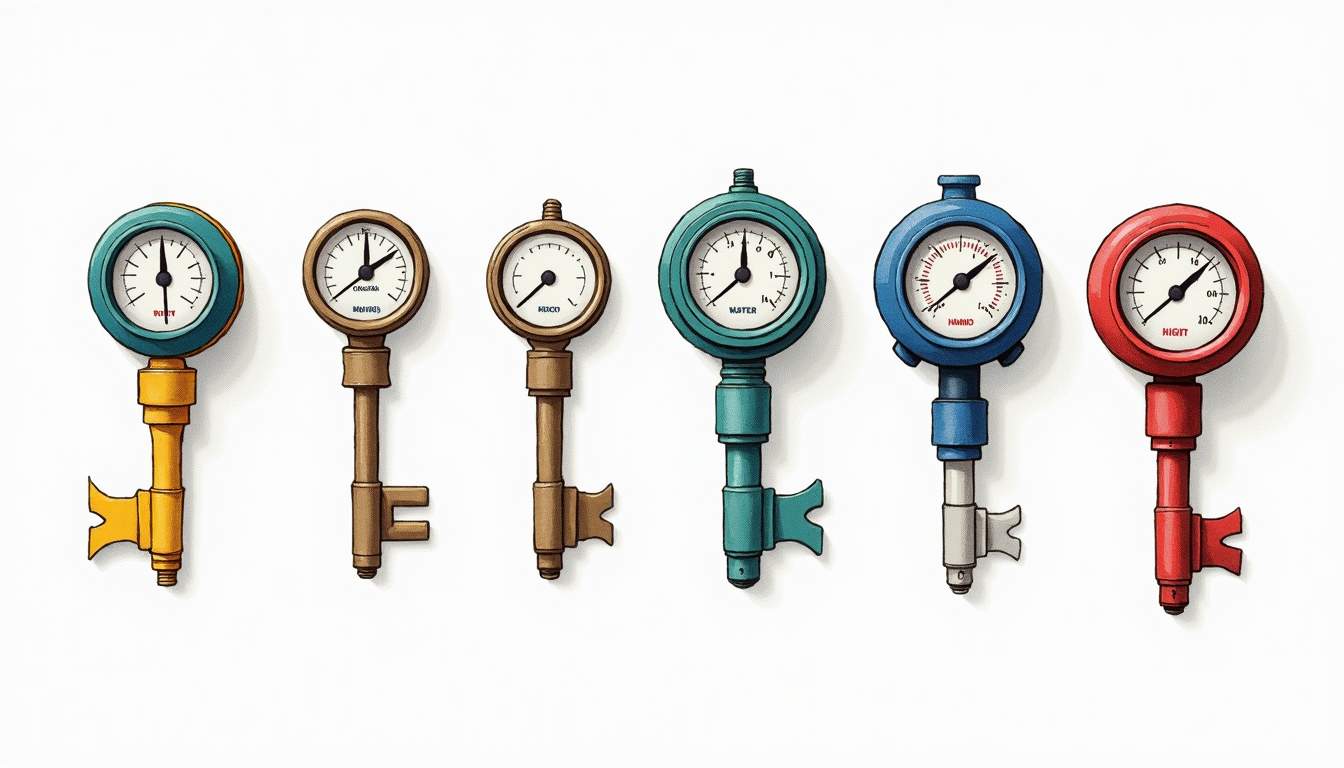
Common Types of Water Meter Keys
- Standard T-Handle Keys: These have a T-shaped handle and a square or rectangular socket that fits over the valve stem. They are the most common and versatile type.
- Adjustable Keys: These keys have adjustable sockets to fit various valve sizes, making them useful for professionals who encounter different meter boxes.
- Multi-Head Keys: Featuring interchangeable heads, these keys can open different types of meter boxes and operate various valve stems.
- Long-Handled Keys: Designed for deep or hard-to-reach meter pits, these keys provide extra leverage and reach.
How to Choose the Right Water Meter Key
To select the right water meter key, start by identifying the type and size of your water meter box and valve. Check the shape of the valve stem—whether it is square, rectangular, or round—and measure its dimensions if possible. Also, note the depth of the meter box, as this will influence the length of the key you need.
If you are unsure, consult your local water utility provider or a professional plumber. They can often provide guidance or supply the correct key for your specific meter type.
Step-by-Step Guide: How to Use a Water Meter Key
Using a water meter key requires some care and attention to avoid damaging the meter or injuring yourself. Follow these steps to use the key safely and effectively.
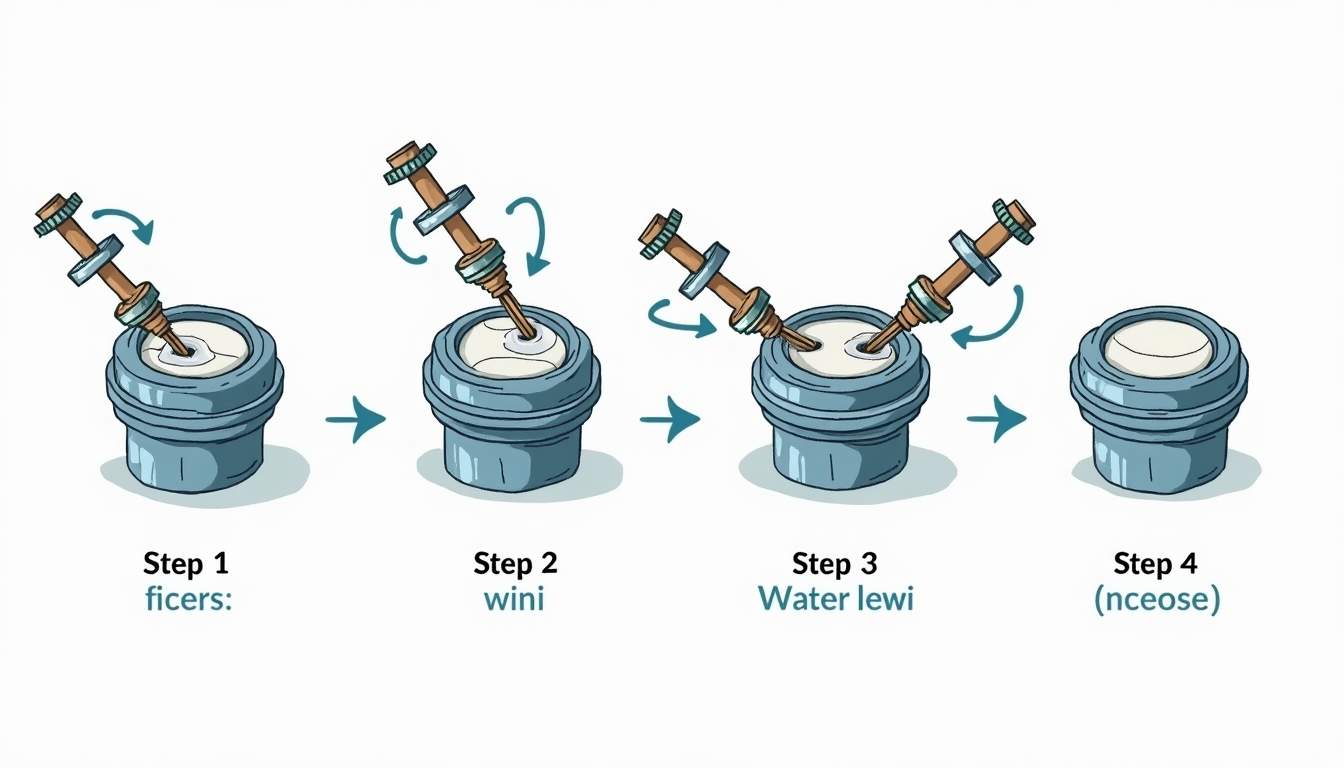
1. Locate the Water Meter Box
Water meter boxes are usually found near the street curb, sidewalk, or property boundary. They are often covered by a heavy metal or plastic lid labeled “Water” or “Meter.” In some cases, the meter may be inside the building, such as in a basement or utility room.
2. Open the Meter Box Lid
Using the water meter key, insert the key’s end into the slot or hole on the lid. Apply steady pressure and leverage to lift the lid carefully. Be cautious, as lids can be heavy and may have accumulated dirt or debris on top.
Wear gloves to protect your hands from sharp edges or contaminants. If the lid is stuck, avoid using excessive force; instead, try gently rocking the key back and forth to loosen it.
3. Inspect the Meter and Valve
Once the lid is removed, inspect the water meter and the valve stem. Ensure the area is clear of debris and that the valve is accessible. The valve stem will typically have a square or rectangular shape designed to fit the water meter key socket.
4. Attach the Water Meter Key to the Valve Stem
Fit the socket end of the water meter key onto the valve stem. Make sure it is securely attached to avoid slipping when turning. The key should fit snugly without forcing it.
5. Turn the Valve
To shut off the water, turn the key clockwise. To open the valve and restore water flow, turn it counterclockwise. Turn slowly and steadily to avoid damaging the valve or the meter.
Note that some valves may require several full turns to open or close completely. Do not force the key if you encounter resistance; this could indicate a stuck valve or other issues requiring professional assistance.
6. Read the Meter (If Applicable)
If your goal is to read the water meter, take note of the numbers or digital display on the meter face. Record the reading carefully, as this information is essential for monitoring water usage or reporting to your utility provider.
7. Close the Meter Box
After completing your task, replace the meter box lid securely. Ensure it sits flush with the ground to prevent tripping hazards or water ingress. If the lid is damaged or loose, contact your water utility for a replacement.
Safety Tips When Using a Water Meter Key
Handling water meter keys and accessing meter boxes involves certain risks. Following safety guidelines will help prevent injuries and damage.
Wear Protective Gear
Always wear gloves to protect your hands from sharp edges, dirt, and potential contaminants. Safety glasses are advisable if you are working in dusty or debris-filled environments.
Use Proper Lifting Techniques
Meter box lids can be heavy. Use your legs, not your back, to lift the lid, and avoid sudden jerks. If the lid is too heavy or stuck, seek assistance or use appropriate tools designed for lifting.
Be Mindful of Traffic and Surroundings
Many water meters are located near roads or sidewalks. Stay alert to passing vehicles and pedestrians. Use cones or warning signs if you are working in a public area for an extended period.
Do Not Force the Valve
Forcing a valve can cause damage to the water meter or the plumbing system. If the valve is difficult to turn, stop and consult a professional plumber or your water utility provider.
Keep the Meter Box Clean
Remove debris, dirt, and water from the meter box to maintain clear access and prevent damage to the meter. Regular maintenance can prolong the life of your water meter and ensure accurate readings.
Troubleshooting Common Water Meter Key Problems
Even with proper use, you may encounter problems when using a water meter key. Here are some common issues and how to address them.
Key Does Not Fit the Valve Stem
This usually means you have the wrong size or type of key. Double-check the valve stem shape and size, and obtain the correct key. Avoid forcing the key onto the valve stem.
Stuck or Rusted Valve
Valves exposed to moisture and dirt can become rusted or stuck. Applying a penetrating lubricant may help, but if the valve remains immobile, contact a professional plumber.
Broken or Damaged Meter Box Lid
If the lid is cracked or missing, it can pose safety hazards and allow contaminants into the meter box. Report the issue to your water utility provider for repair or replacement.
Difficulty Reading the Meter
Older analog meters may be hard to read due to dirt, fading, or damage. Cleaning the meter face gently can improve visibility. If the meter is malfunctioning, notify your utility company for inspection.
When Should You Call a Professional Plumber?
While many homeowners can use a water meter key for basic tasks, some situations require professional expertise. Consider calling a commercial plumber or your water utility provider if:
- The valve is stuck or difficult to turn despite careful attempts.
- The meter box or lid is damaged or missing.
- You suspect a leak or other plumbing issues related to the meter.
- You need to replace or upgrade the water meter.
Professionals have the tools and experience to handle complex issues safely and efficiently, preventing further damage or costly repairs.
Need Help with Your Water Meter in Mississauga & Toronto?
If your water meter is old, damaged, or giving inaccurate readings, it may be time for a replacement. At Select Plumbing & Heating, we provide professional water meter installation and repair in Mississauga.
- 🛠 Expert technicians with decades of experience
- 🚚 Fast, reliable service across the GTA
- ✅ Licensed & insured for your peace of mind
👉 Learn more about our Toronto water meter installation & replacement services or call us today to schedule your appointment.
Conclusion: Using a Water Meter Key Safely and Effectively
Using a water meter key is a straightforward task once you understand the purpose of the tool and the correct techniques. Whether you need to read your water meter, shut off the water supply, or perform maintenance, having the right key and following safety guidelines is essential.
Remember to select the appropriate key for your meter type, handle the meter box carefully, and avoid forcing valves. Regular inspection and maintenance of your water meter can help ensure accurate readings and prevent plumbing problems. When in doubt, don’t hesitate to seek professional assistance to keep your water system functioning smoothly.
With this comprehensive guide, you are now equipped to confidently use a water meter key and manage your water meter with ease.
Water Meter Key FAQS
What is a water meter key used for?
A water meter key is used to open a water meter box, access the meter, and operate the shut-off valve that controls water flow.
Where can I find my water meter box?
Most residential water meter boxes are located near the curb, sidewalk, or property line. Some properties may have indoor meters in basements or utility rooms.
How do you turn off water with a water meter key?
Insert the key into the valve stem and turn clockwise to shut off the water supply. Turn counterclockwise to restore flow.
What type of water meter key do I need?
The right key depends on your meter box and valve stem shape (square, rectangular, or round). Common options include T-handle keys, adjustable keys, and long-handled keys for deep pits.
Can I use a water meter key if the valve is stuck?
Do not force a stuck valve. Apply light lubricant or contact a plumber. Forcing the key may damage the valve or water meter.
Do I need a plumber to use a water meter key?
Most homeowners can use a meter key for basic reading or shut-off tasks, but if the valve is rusted, the lid is damaged, or you suspect leaks, a professional should handle the repair.
