

Find recurring clogs, tree roots and damaged sewer pipes with professional drain camera inspection in Toronto. Call Select Plumbing today.
Select plumbing provides video camera inspection for drain and sewers across Mississauga and the GTA.
Find the cause of a recurring drain or sewer problem before deciding how to fix it. Select Plumbing & Heating uses professional drain camera and locating equipment to inspect accessible piping, identify visible defects and trace the approximate position of trouble below the property.
We provide CCTV drain and sewer inspections for commercial, industrial, multi-unit and residential properties across Toronto and the GTA.
Investigate repeated clogs, slow drainage and sewer backups
See tree roots, grease, debris and visible pipe damage
Locate problem areas before cleaning, repair or excavation
Inspect main drains, sewer laterals and accessible branch lines
Call 1-888-501-5501 or 905-501-5501 to request a drain camera inspection.
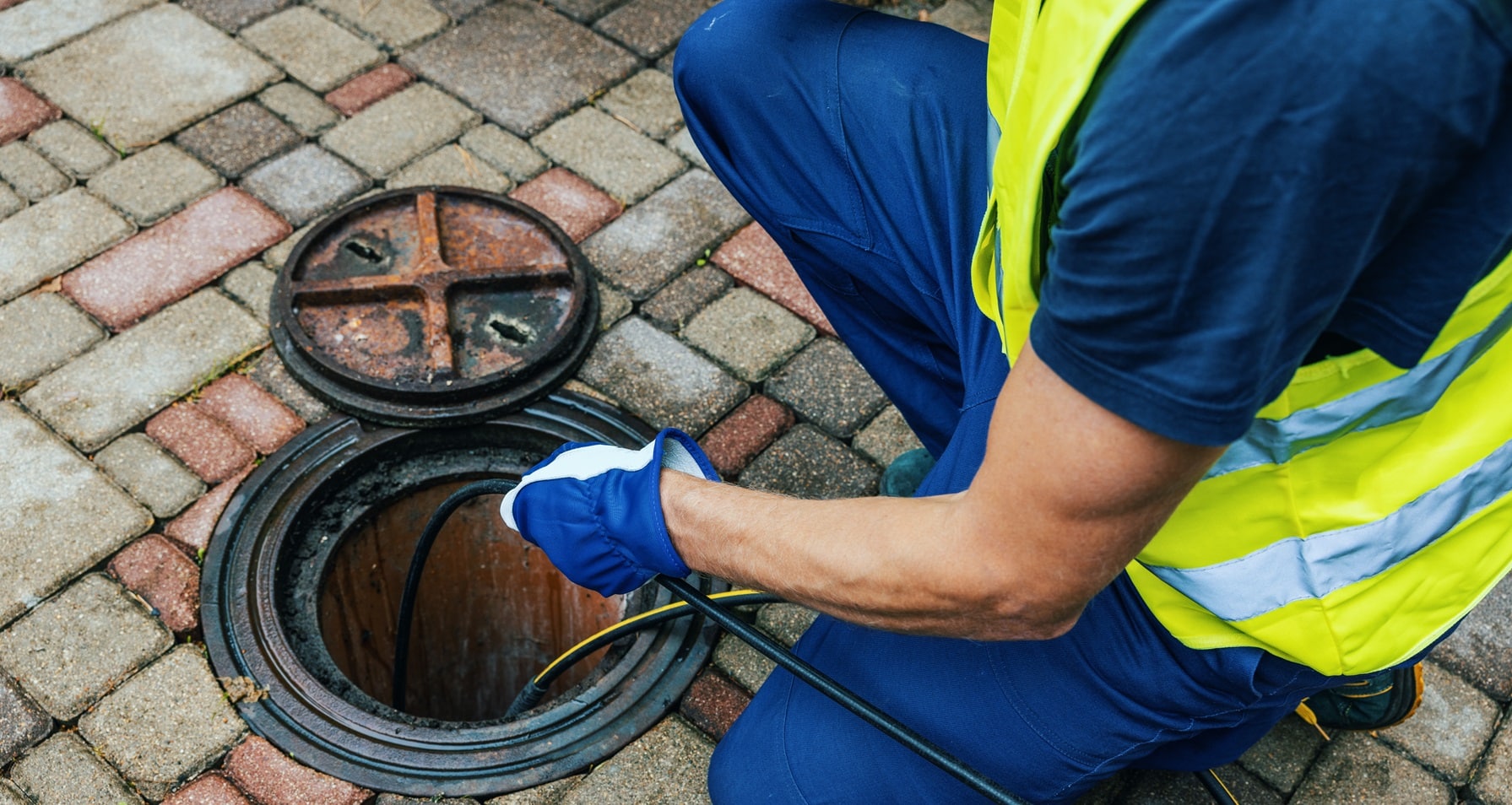
A blocked drain does not explain why the blockage formed. Snaking may restore flow, but the same line can clog again when roots, a separated joint, heavy scale or a low section of pipe remains untreated.
A sewer camera inspection replaces that guesswork with a live view. A waterproof camera travels through an accessible drain or cleanout and sends video to a monitor. The plumber can examine the interior condition of the pipe, estimate the distance to an obstruction and, when conditions allow, use a locator to mark its approximate position and depth from the surface.
That information helps separate a one-time clog from a larger drainage problem. It also helps determine whether the sensible next step is professional drain snaking, high-pressure drain cleaning and hydro jetting, a localized repair or further investigation.
Not every slow sink needs a camera. A simple fixture blockage may be resolved with ordinary drain cleaning. Video inspection becomes more useful when symptoms point to a problem deeper in the system or when a blockage keeps returning.
Consider an inspection when:
the same drain has been cleared more than once;
several fixtures drain slowly at the same time;
toilets gurgle when nearby sinks, showers or equipment discharge;
wastewater backs up through a basement floor drain;
sewer odours persist after traps and visible connections have been checked;
roots or structural damage are suspected in an underground line;
a commercial kitchen, production area or multi-unit building has recurring drainage interruptions;
you need to locate a sewer line before repair, renovation or excavation;
you want to check the visible condition of an older sewer before purchasing a property.
An active line may need to be cleared before the camera can produce useful footage. Muddy water, grease and a solid obstruction can hide the pipe wall or prevent the camera from moving farther. In those cases, the plumber may recommend cleaning first and inspecting again after flow is restored.


The value of a camera inspection is not simply seeing a clog. It is understanding the type, location and extent of the visible problem so the repair can be planned around evidence.
Roots often enter underground sewer lines through an open joint, crack or other vulnerable connection. A camera can show where the roots appear and whether they form a light intrusion or a dense obstruction. Removing the roots can reopen the line, but the inspection also helps determine whether the damaged entry point requires repair.
Commercial kitchens, food facilities and heavily used drainage systems can develop thick internal deposits. Residential lines may collect wipes, paper, soap residue, mineral scale or other debris. The footage helps distinguish loose material that may respond to snaking from deposits that may require more thorough pipe cleaning.
Visible fractures, missing sections and partial collapses can restrict wastewater flow and allow surrounding material to enter the line. A severely collapsed section may stop the camera completely. Locating that stopping point can still narrow the repair area and reduce unnecessary excavation.
Older clay drain lines and other segmented piping can shift over time. An offset or separated joint may catch paper and solids, admit roots or interrupt the camera’s path. The amount of displacement and the condition of the surrounding pipe influence whether cleaning, spot repair or replacement is appropriate.
Cast iron drainage piping can develop scale, rough internal surfaces and advanced corrosion. A camera can document visible deterioration and restricted diameter. It cannot measure the remaining wall thickness, so additional assessment may be needed when the pipe’s structural condition is uncertain.
Standing water in a gravity drain may indicate a low section, poor slope, a downstream restriction or another flow problem. Camera footage can show where water begins and ends, but video alone may not establish the exact cause or grade. The plumber may combine the inspection with locating, measurements or other diagnostic work.
The inspection starts with the history of the problem. We note which fixtures are affected, how often the line blocks and what cleaning or repairs have already been attempted. We then identify a suitable cleanout or other safe access point.
The waterproof camera is guided through the drain while the technician watches the live feed. Pipe size, bends, standing water, buildup and physical obstructions determine how far the camera can travel.
The technician looks for roots, deposits, foreign objects, offsets, open joints, fractures, corrosion and changes in the pipe’s shape or water level. When the equipment and site conditions permit, a locating signal can help mark the approximate position and depth of the camera from above ground.
The finding should lead to a proportionate response. A removable obstruction may call for drain snaking. Heavy grease or sludge may be better suited to hydro jetting. A localized defect may be repairable without replacing the full line. If the evidence is incomplete, we explain what must happen before a reliable repair decision can be made.
Need an expert plumber in Mississauga? Select Plumbing and Heating is here to help 24/7 with professional commercial & Industrial plumbing services from a trusted plumber. Call us today at 1 888 501 5501 or 905 501 5501 to discuss your project and Request a free estimate.

Get Reliable Commercial Plumbing And Heating Repair Services from a local Select Plumbing And Heating expert. Call Today – 1-888-501-5501 or 905-501-5501 – Reach Us On Google Maps – 259 Traders Blvd E, Mississauga, ON L4Z 2E5, Canada
Mississauga (Port Credit, Malton, Dixie, Hurontario, Erin Mills, Applewood, Cooksville, Fairview)
Scarborough and the rest of the GTA.
Sign up our newsletter to get update information, news and free insight.