

TL;DR
- Drainage moves excess water away to protect soil, structures, and health.
- Surface drainage manages water on top of the ground.
- Subsurface drainage lowers the water table within the soil.
- Many sites need a combined system for reliable performance.
Proper drainage is essential for maintaining the health and stability of landscapes, agricultural fields, and urban environments. Without effective drainage systems, water accumulation can lead to soil erosion, structural damage, and reduced agricultural productivity. This comprehensive guide explores the fundamentals of surface and subsurface drainage, their differences, applications, and best practices for designing and maintaining efficient drainage systems.
What Is Drainage and Why It Matters

Drainage refers to the process of removing excess surface or groundwater from an area to prevent waterlogging and related problems. It plays a crucial role in managing water flow, protecting infrastructure, and promoting healthy plant growth.
In natural landscapes, water follows the path of least resistance, often accumulating in low-lying areas. Without proper drainage, this can lead to standing water, which may cause soil degradation, root damage, and increased risk of flooding. In urban settings, inadequate drainage can overwhelm stormwater systems, leading to property damage and public safety hazards.
Effective drainage systems are designed to channel water away from critical areas, utilizing a combination of natural and engineered solutions. For instance, ditches, culverts, and retention basins are commonly employed to manage excess water in both rural and urban environments. These systems not only help to mitigate flooding but also enhance the aesthetic appeal of landscapes by preventing unsightly water accumulation. Moreover, well-planned drainage can improve soil health by ensuring that water penetrates the ground efficiently, allowing for better aeration and nutrient absorption, which is vital for robust plant growth.
Furthermore, the importance of drainage extends beyond immediate water management; it also plays a significant role in environmental conservation. Proper drainage practices can help maintain the natural hydrology of ecosystems, supporting wildlife habitats and preserving biodiversity. For example, wetlands, which rely on specific water levels, can be adversely affected by poor drainage practices that alter their hydrological balance. By implementing sustainable drainage solutions, such as green roofs and permeable pavements, urban planners can reduce runoff and promote groundwater recharge, ultimately contributing to a healthier environment and more resilient communities.
Surface Drainage: Manage Water On The Ground
What Is Surface Drainage?
Surface drainage involves the removal of excess water that collects on the soil surface. It is the most visible form of drainage and is critical in areas where rainfall or irrigation causes water to pool or flow across the land.
This type of drainage is typically achieved by shaping the land to direct water away from vulnerable areas, using channels, ditches, or grading to facilitate runoff.
Common Surface Drainage Techniques
Several methods are employed to manage surface water effectively:
- Grading and Sloping: Adjusting the land’s slope to encourage water to flow toward designated drainage points.
- Open Ditches and Swales: Shallow channels that collect and direct water away from fields or structures.
- Surface Drains: Trenches filled with gravel or other permeable materials to collect runoff and guide it to outlets.
- Constructed Wetlands: Engineered areas designed to hold and slowly release stormwater, improving water quality and reducing erosion.
These techniques are often combined to create an integrated surface drainage system tailored to the site’s topography and water management needs.
Advantages and Limitations of Surface Drainage
Surface drainage is relatively simple to implement and maintain, making it a cost-effective solution for many applications. It helps prevent waterlogging, reduces soil erosion, and protects structures from water damage.
However, surface drainage has limitations. It may not be sufficient in areas with heavy rainfall or poor soil permeability. Additionally, surface runoff can carry pollutants into nearby water bodies if not properly managed.
Subsurface Drainage: Control Water Below The Surface
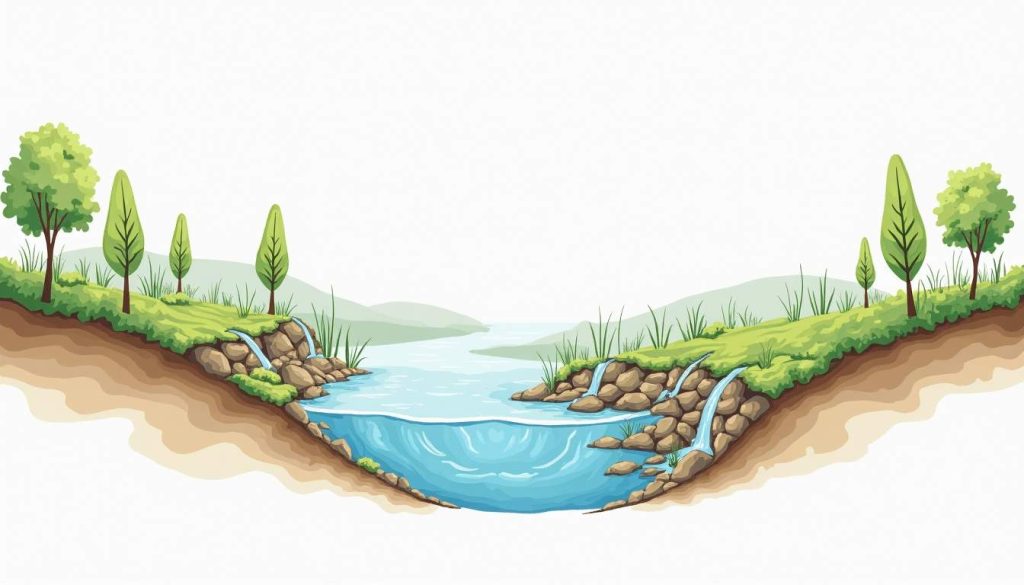
Subsurface drainage involves the removal of excess water from the soil profile, below the ground surface. This is essential in areas where water accumulates within the soil, leading to high water tables and poor soil aeration.
System Types
- French drains with perforated pipe and gravel
- Agricultural tile drainage networks
- Subsurface laterals with geotextile wraps
- Vertical drainage wells where permitted
Benefits
- Relieves chronic waterlogging
- Protects structures and pavements from moisture damage
- Improves soil health and plant performance
Challenges
- Higher upfront cost and design complexity
- Requires cleanouts and periodic flushing
Surface vs Subsurface: Which Do You Need

use surface drainage to move visible water quickly. Use subsurface drainage to fix high water tables and saturated soils. Many sites need both.
| Aspect | Surface | Subsurface |
|---|---|---|
| Zone | On top | Within soil |
| Goal | Clear ponding and runoff | Lower water table |
| Methods | Swales, grading, inlets | Perforated laterals, French drains |
| Best for | Urban stormwater, grading fixes | Tight soils, foundations, fields |
| Maintenance | Clear debris, keep slopes | Flush lines, inspect cleanouts |
When to Use Each System
Choosing between surface and subsurface drainage depends on site conditions and drainage goals. Surface drainage is often the first line of defense in managing runoff and preventing erosion. It is especially effective in areas with moderate rainfall and well-drained soils.
Subsurface drainage is preferred in regions where waterlogging is a persistent problem due to poor soil permeability or high water tables. In many cases, combining both systems yields the best results, addressing water issues both above and below the surface.
Design An Effective Drainage Plan
Assess The Site
- Topography and flow paths
- Soil texture and permeability
- Water table depth and seasonality
- Rainfall intensity and frequency
- Existing vegetation, pavements, and utilities
Plan And Install
- Map catchments and overland flow
- Size pipes, inlets, and storage for peak events
- Combine surface and subsurface where needed
- Use geotextiles to limit fines migration
- Ensure lawful discharge to storm sewers or approved outlets
Maintain For Longevity
- Surface: remove debris, mow swales, repair eroded areas
- Subsurface: flush laterals, camera inspect, clear cleanouts
- Track issues and update the plan after major storms
Common Problems And Fixes
- Clogging from sediment or roots → add pretreatment and schedule flushing
- Erosion at outlets → add riprap or energy dissipation
- Insufficient capacity → upsize inlets or add detention volume
Environmental And Regulatory Considerations
- Prevent pollutant transport with pretreatment and vegetated swales
- Support groundwater recharge with permeable surfaces where suitable
- Follow local bylaws, permits, and discharge standards
- Protect wetlands and sensitive habitats with careful routing
Conclusion
Understanding the principles and practices of surface and subsurface drainage is vital for anyone involved in land management, agriculture, construction, or urban planning. By carefully assessing site conditions, selecting appropriate drainage methods, and committing to ongoing maintenance, it is possible to effectively manage water, protect valuable resources, and enhance the resilience of landscapes and infrastructure. Whether addressing surface runoff or subsurface waterlogging, a well-designed drainage system is an investment in long-term productivity and environmental stewardship.
Drainage Assessment And Installation In Mississauga
Need expert help with surface or subsurface drainage in Mississauga and nearby neighbourhoods.
Select Plumbing and Heating designs, installs, and maintains grading fixes, swales, French drains, sump and pump systems, and storm tie-ins. We also do high pressure drain cleaning in toronto. & Mississauga.
You get licensed plumber in Mississauga, clear estimates, and photo-documented work.
Call Select Plumbing and Heating for a site visit or 24/7 support.
