
TLDR:
Kitec plumbing, installed in many GTA homes and condos between 1995 and 2007, is prone to premature failure due to material degradation and dezincification of brass fittings, leading to costly leaks and water damage. Replacement is often necessary to protect property value and ensure insurance coverage. This guide outlines identification, issues, replacement costs, the process, and crucial considerations for Toronto homeowners.
What is Kitec Plumbing and Why is it a Concern for Toronto Homeowners?
Kitec plumbing is a multi-layer pipe system, commonly found in residential and commercial properties across North America, including a significant number of homes and condominiums in the Greater Toronto Area (GTA), built or renovated between 1995 and 2007 . It typically consists of an inner and outer layer of plastic (PEX or PERT) with a thin aluminum layer sandwiched in between. Marketed as a cost-effective and easy-to-install alternative to traditional copper piping, Kitec was widely adopted for both hot and cold water lines, as well as radiant heating systems .
The primary concern with Kitec plumbing stems from its inherent material flaws and the brass fittings used within the system. Over time, these components are susceptible to degradation, leading to a high risk of leaks and catastrophic pipe bursts. This widespread issue has resulted in significant financial burdens for homeowners, insurance complications, and a decrease in property value .
Identifying Kitec Plumbing in Your GTA Home
Recognizing Kitec plumbing is the first step in addressing the potential risks. Homeowners can often identify it by its distinctive appearance and specific markings.
Key indicators include:
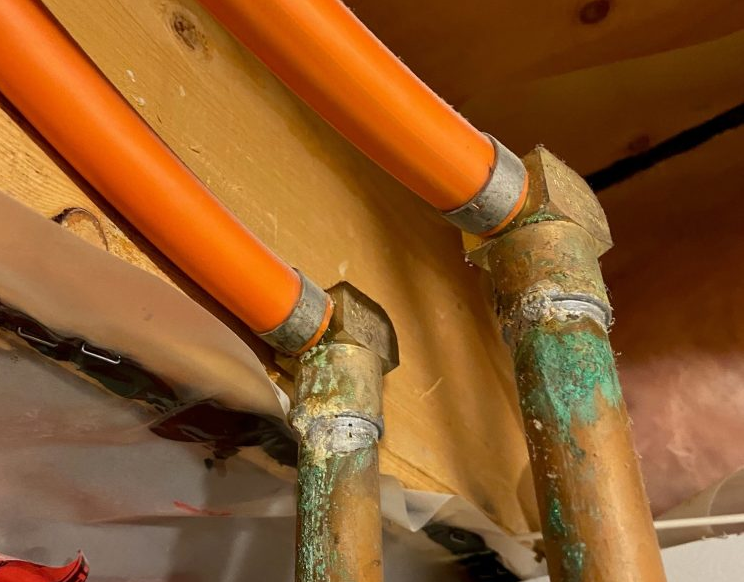
•Pipe Colours: Kitec pipes are typically bright orange for hot water and bright blue for cold water, though other colours like grey, red, or black were also used .
•Brand Markings: Look for labels such as “Kitec,” “KTC,” “PlumbBetter,” “IPEX,” “XPA,” “AmbioComfort,” “AQUA,” “KERR Controls,” or “WarmRite” directly on the pipes .
•Fittings: Brass fittings associated with Kitec often bear stamps like “Kitec,” “KTC,” “CSA B137.9/10,” or “ATSM F1974” .
•Location: Common areas to spot exposed Kitec plumbing include near the hot water tank, under kitchen and bathroom sinks, or in mechanical rooms.
•Electrical Panel Sticker: Some homes with Kitec may have a yellow sticker on the inside of the electrical panel door stating, “Caution: This building has non-metallic interior water piping.” This is because metal piping is typically used to ground electrical systems, and Kitec does not serve this function .
If you suspect your home has Kitec plumbing, it is advisable to consult our licensed plumber in Mississauga and Toronto or certified home inspector for confirmation.
The Core Problems: Why Kitec Fails
The failure of Kitec plumbing systems is primarily attributed to two interconnected issues:
1.Dezincification of Brass Fittings: The brass fittings used in Kitec systems contain high levels of zinc. When exposed to water and oxygen, these fittings undergo a process called dezincification, where zinc leaches out. This weakens the brass, leading to corrosion, blockages, reduced water pressure, and ultimately, leaks and pipe bursts .
2.Pipe Degradation: The plastic pipes themselves, particularly the orange hot water pipes, have been found to degrade when exposed to high temperatures (above 82 degrees Celsius or 180 degrees Fahrenheit) and high water pressure. This deterioration can cause the pipes to become brittle, crack, and rupture .
These issues often manifest without warning, making Kitec plumbing a
significant liability for homeowners .
Implications for GTA Homeowners with Kitec Plumbing
The presence of Kitec plumbing can have several serious implications for homeowners in the GTA:
•Water Damage Risk: The most immediate and severe risk is sudden pipe failure, leading to extensive water damage to property, personal belongings, and structural elements. This can result in costly repairs and significant disruption.
•Insurance Challenges: Due to the known risks, many insurance providers in Canada either charge significantly higher premiums for homes with Kitec plumbing or may refuse to provide coverage for water damage claims related to the system. Non-disclosure can also lead to voided policies .
•Decreased Property Value and Sale Difficulties: Homes with Kitec plumbing can be less attractive to potential buyers, often leading to lower offers or extended time on the market. Sellers are legally obligated to disclose the presence of Kitec, and buyers may use this as a bargaining chip for price reduction or demand replacement before purchase .
•Class-Action Lawsuit and Settlement: A class-action lawsuit was filed against the manufacturers of Kitec plumbing, resulting in a $125 million USD settlement fund. While the claims submission period officially ended in January 2020, updates as of December 2024 indicate that settlement payments approved by both U.S. and Canadian courts have been processed . However, the payout to individual claimants was often nominal, and the settlement primarily addressed those who experienced actual system failures .
The Kitec Plumbing Replacement Process in Toronto
Replacing Kitec plumbing is a significant undertaking that requires careful planning and execution. The process typically involves several stages:
1.Professional Assessment: A licensed plumber or home inspector experienced with Kitec systems will conduct a thorough assessment to confirm its presence and evaluate the extent of the system within the property.
2.Coordination with Condo Management (for Condos): For condo owners, this is a critical step. Condo corporations have specific bylaws regarding renovations affecting shared infrastructure. Approval, adherence to noise restrictions, and scheduling water shutdowns must be coordinated with management .
3.Permit Acquisition: A plumbing permit from the City of Toronto is mandatory for extensive plumbing alterations. An experienced plumber will handle the application process to ensure compliance with the Ontario Building Code .
4.Demolition and Access: Walls and ceilings are strategically opened to expose the Kitec pipes. This is often the most disruptive phase, requiring protection for furniture and flooring.
5.Kitec Removal and New Pipe Installation: The old Kitec pipes and fittings are carefully removed, and new, more reliable piping (commonly PEX or copper) is installed. PEX is often preferred for its flexibility, ease of installation, and cost-effectiveness, while copper offers superior durability .
6.Pressure Testing and Inspection: The new system undergoes pressure testing to ensure leak-free operation. A municipal inspector will then perform a rough-in inspection to verify code compliance.
7.Restoration and Finishing: After successful inspection, opened walls and ceilings are repaired, taped, mudded, sanded, and painted. This phase may involve separate contractors for drywall and finishing work .
Estimated Costs for Kitec Plumbing Replacement in the GTA
The cost of replacing Kitec plumbing in the GTA can vary significantly based on several factors, including the size of the home, the accessibility of the pipes, the chosen replacement material, and the extent of finishing work required. General estimates suggest a range from $5,000 to $25,000+ for a typical condo unit or house .
Key cost drivers include:
•Labour: Often the largest component, covering the plumber’s time for planning, demolition, repiping, and testing.
•Materials: Cost of new PEX or copper piping, fittings, and valves.
•Drywall and Finishing: Repairing and refinishing walls and ceilings after pipe access. This can account for 20-40% of the total cost .
•Permits and Inspections: Fees for necessary permits from the City of Toronto.
•Disposal Fees: Costs associated with removing and disposing of old Kitec pipes and construction debris.
It is crucial to obtain detailed, itemized quotes from licensed and experienced plumbers to understand the specific costs for your property.
Value Addition: Proactive Maintenance and Early Detection Beyond Replacement
While replacement is the definitive solution for Kitec plumbing, homeowners can take proactive steps to manage risks and detect potential issues early, especially if immediate replacement is not feasible. This aspect is often underemphasized in existing articles, which tend to focus solely on the problem and its solution.
•Regular Visual Inspections: Periodically check exposed Kitec pipes (under sinks, near water heaters, in basements) for any signs of discolouration, bulging, pinhole leaks, or white powdery residue around brass fittings (a sign of dezincification). Early detection can prevent catastrophic bursts.
•Water Pressure Monitoring: High water pressure can accelerate Kitec degradation. Consider installing a water pressure regulator if your home’s pressure is consistently above 80 psi. This can mitigate stress on the pipes.
•Temperature Control: Ensure your water heater is not set above 180°F (82°C), as excessive heat can hasten the degradation of the orange hot water Kitec pipes.
•Professional Annual Check-ups: Schedule annual plumbing inspections with a professional who is aware of Kitec issues.
We use specialized tools to identify early signs of internal corrosion or weakening that might not be visible externally.
By implementing these proactive measures, homeowners can extend the life of their Kitec system, manage risks, and plan for eventual replacement more effectively, thereby gaining valuable time and potentially preventing significant damage.
Frequently Asked Questions About Kitec Plumbing in Toronto
Here are some common questions regarding Kitec plumbing, optimized for featured snippets:
What is Kitec plumbing and why is it a problem?
A: Kitec plumbing is a multi-layer pipe system installed between 1995 and 2007, known for premature failure due to brass fittings corroding (dezincification) and plastic pipes degrading, leading to leaks and water damage.
How can I identify Kitec plumbing in my Toronto home?
A: Look for bright orange (hot) and blue (cold) pipes, often marked with “Kitec,” “KTC,” or “IPEX.” Check near water heaters, under sinks, or for a warning sticker on your electrical panel.
Does Kitec plumbing affect home insurance in the GTA?
A: Yes, many GTA insurance providers may charge higher premiums or deny coverage for water damage related to Kitec plumbing due to its high risk of failure. Disclosure to your insurer is crucial.
What is the average cost to replace Kitec plumbing in Toronto?
A: The cost to replace Kitec plumbing in Toronto typically ranges from $5,000 to $25,000+, depending on home size, pipe accessibility, and chosen materials (PEX or copper).
Is there a class-action lawsuit for Kitec plumbing, and can I still claim?
A: A class-action lawsuit resulted in a settlement fund, with payments processed as of December 2024. While the claims submission period ended in January 2020, it’s advisable to check the official settlement website for any further updates or specific circumstances.
Contact Select Plumbing for Expert Kitec Plumbing Solutions in Toronto
If you have concerns about Kitec plumbing in your Toronto or GTA property, or require professional assessment and replacement services, Select Plumbing is here to help. Our licensed and experienced team specializes in comprehensive plumbing solutions, ensuring your home’s safety and peace of mind. Contact us today for a consultation and a detailed, transparent quote.
References
[2] Square One. (2025, September 19). Kitec Plumbing | Appearance, Issues + Insurance.
[3] The Star. (2015, March 6). Kitec plumbing in your home will cost you.
[4] Grenville Mutual. (n.d.). The Risks of Kitec plumbing and How it Affects Your Home Insurance.
[5] Call Rayo. (2025, May 30). What GTA Homeowners Need to Know About Kitec Plumbing.
