
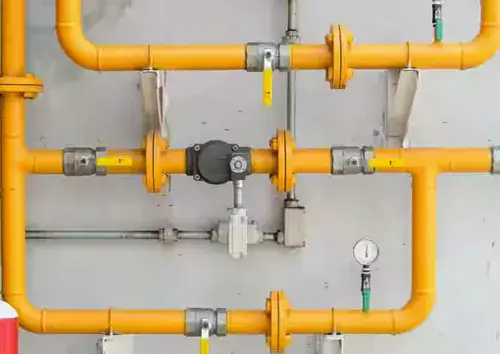
The main types of industrial pipes used in Canada include carbon steel, stainless steel, PVC, CPVC, HDPE, ductile iron, copper, and polypropylene systems. The right choice depends on temperature, pressure, chemical exposure, installation environment, and code requirements. In Ontario, gas pressure piping and related systems may also fall under TSSA and applicable code requirements, so pipe selection is not just a performance decision. It is also a compliance decision.
Why Industrial Pipe Selection Matters
Industrial pipes carry more than water. They move steam, condensate, compressed air, chemicals, glycol, wastewater, and process fluids across manufacturing plants, warehouses, mechanical rooms, food facilities, and commercial buildings.
A poor pipe choice can lead to corrosion, pressure loss, leaks, maintenance problems, and shortened system life. In Ontario, some piping systems also fall under regulatory oversight for pressure equipment and safety, which makes material selection even more important. TSSA states that owners and operators of boilers, pressure vessels, fittings, and piping systems must keep that equipment in safe working condition, and Ontario Regulation 220/01 governs the use of boilers, pressure vessels, fittings, and piping.
What is Industrial Piping
Industrial piping includes piping used in facilities for:
- Process water
- Hot water and heating loops
- Steam and condensate
- Chemical transfer
- Compressed air
- Industrial drainage and wastewater
- Cooling water and chilled water
- Fuel gas and other utility services
For many pressure piping applications, ASME B31 codes are the reference point for design, materials, fabrication, testing, and inspection. In Ontario, TSSA also publishes pressure piping registration and inspection guidance for applicable systems.
Main Types of Industrial Pipes and Their Applications
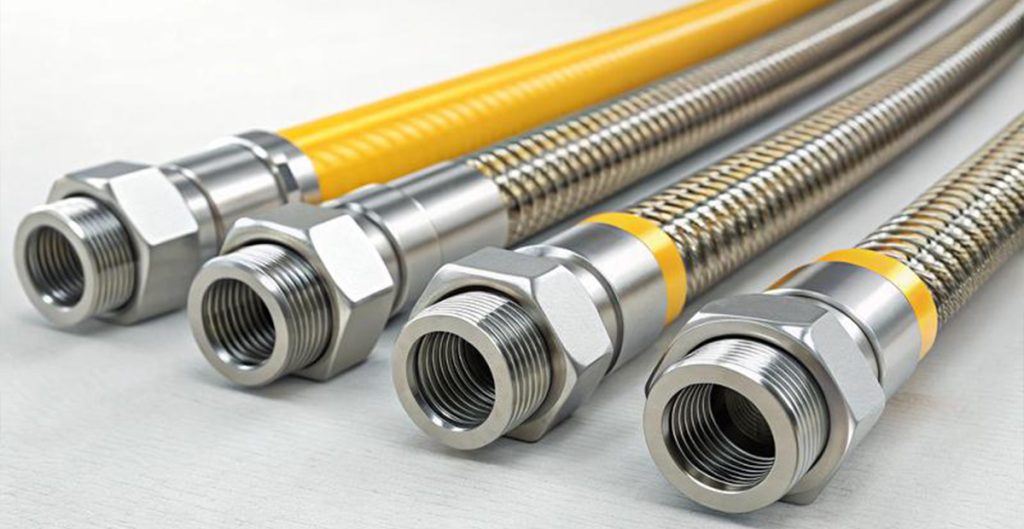
1. Carbon Steel Pipe
Carbon steel is one of the most widely used industrial pipe materials. It is strong, pressure-resistant, and suitable for many mechanical and process systems.
Common uses:
- Steam lines
- Condensate return
- Hydronic heating systems
- Compressed air
- Process piping in industrial plants
Best fit:
High-pressure and high-temperature systems where strength matters more than corrosion resistance.
Watchouts:
Carbon steel can corrode if the system chemistry, condensate quality, or moisture conditions are not controlled.
2. Stainless Steel Pipe
Stainless steel is chosen when corrosion resistance, hygiene, and long service life matter.
Common uses:
- Food and beverage processing
- Pharmaceutical systems
- Chemical plants
- Clean water and purified water lines
- Corrosive process environments
Best fit:
Facilities where sanitation, corrosion resistance, or chemical compatibility are top priorities.
Watchouts:
Higher upfront cost. Material grade matters. A wrong alloy choice can still fail in aggressive environments.
3. PVC Pipe
PVC is widely used for cold-water service, drainage, and certain industrial fluid systems. In Canada, the National Plumbing Code references CSA B137.3 for rigid PVC pipe and fittings for pressure applications.
Common uses:
- Cold water distribution
- Industrial drainage
- Waste handling
- Some chemical service lines
- Outdoor and underground utility piping
Best fit:
Corrosion-resistant cold systems with moderate pressure demands.
Watchouts:
Not suitable for high-temperature service. Temperature limits matter.
4. CPVC Pipe
CPVC is similar to PVC but handles higher temperatures, which makes it useful in hot-water and some industrial chemical applications. CSA B137 series standards cover thermoplastic pressure piping, including CPVC products used in hot and cold-water distribution systems.
Common uses:
- Hot water distribution
- Corrosive fluid handling
- Mechanical room piping
- Industrial process water
Best fit:
Facilities that need a corrosion-resistant plastic piping option for hotter service than PVC can handle.
Watchouts:
Material compatibility and support spacing still matter. It is not a one-size-fits-all replacement for metal.
5. HDPE Pipe
HDPE is flexible, corrosion-resistant, and well suited to underground and outdoor systems. It is commonly used where leak resistance and long runs matter.
Common uses:
- Underground water service
- Industrial drainage
- Wastewater systems
- Chemical transfer
- Outdoor utility piping
Best fit:
Buried lines, corrosive environments, and systems where fusion joints provide an advantage.
Watchouts:
Expansion, contraction, and proper joining practices are important.
6. Ductile Iron Pipe
Ductile iron remains a strong choice for heavy-duty water and buried infrastructure systems.
Common uses:
- Water distribution
- Fire protection mains
- Buried industrial utility lines
- Municipal and plant service connections
Best fit:
Heavy-load buried systems where strength and durability are essential.
Watchouts:
Corrosion protection and soil conditions must be considered.
7. Copper Pipe
Copper is still used in certain industrial and commercial systems because of its reliability, workability, and thermal performance.
Common uses:
- Domestic hot and cold water
- Heat transfer systems
- Some mechanical room connections
- Refrigeration and HVAC related lines
Best fit:
Building services and selected process-support applications.
Watchouts:
Copper is not ideal for every industrial chemistry. Water quality and compatibility matter.
8. Polypropylene Pipe Systems
Polypropylene piping systems, including PP-R and related industrial variants, are used where chemical resistance and corrosion-free performance are important.
Common uses:
- Chemical process lines
- Industrial hot and cold water
- Compressed air in some applications
- Corrosion-sensitive systems
Best fit:
Facilities looking for a plastic piping system with strong chemical resistance and long service life.
Watchouts:
Temperature, pressure rating, and joining method must match the actual duty.
How to Choose the Right Industrial Pipe
The best industrial pipe is not the one with the highest pressure rating or the lowest price. It is the one that matches the real operating conditions.
Temperature
Some materials perform well with cold fluids but fail when temperatures rise. This is why PVC, CPVC, steel, and stainless steel are not interchangeable.
Pressure
Pressure piping systems need proper material selection, code design, and inspection. Ontario pressure piping guidance points users to applicable regulations and recognized standards, and TSSA inspects and audits pressurized equipment and facilities.
Chemical Compatibility
Acids, alkalis, solvents, disinfectants, and treated water can all affect material life. Chemical resistance is often the deciding factor in process plants and food operations.
Installation Environment
Ask where the pipe will live:
- Underground
- Rooftop
- Mechanical room
- Washdown area
- Corrosive plant environment
- Freeze-prone exterior wall or service trench
Maintenance and Lifecycle Cost
A lower-cost material may cost more over time if it leaks, scales, corrodes, or requires frequent shutdowns.
Industrial Pipe Applications by Sector
Manufacturing Plants
Common systems include compressed air, process water, steam, condensate, drainage, and cooling loops.
Food and Beverage Facilities
Stainless steel, CPVC, and other corrosion-resistant systems are often used where washdown, hygiene, and temperature control matter.
Chemical and Process Facilities
Material compatibility drives selection. Stainless steel, polypropylene, CPVC, and HDPE are often considered depending on the media.
Commercial and Institutional Buildings
Industrial-grade gas piping may still be needed in boiler rooms, central plants, district energy systems, and high-demand hot water systems.
Water and Wastewater Systems
PVC, HDPE, ductile iron, and specialized corrosion-resistant piping are common choices depending on pressure, burial, and chemical exposure.
Canada and Ontario Compliance Considerations
Many broad “types of pipes” articles ignore the compliance side.
In Ontario, that is a mistake.
TSSA states that its Boilers and Pressure Vessels Safety Program regulates the design, construction, maintenance, operation, and repair of pressure-retaining components used in Ontario, and it oversees related inspections and safety requirements.
Ontario Regulation 220/01 also makes clear that boilers, pressure vessels, fittings, and piping cannot be operated above their maximum allowable working pressure. For thermoplastic pressure piping used in plumbing contexts, the National Plumbing Code of Canada points to CSA B137 standards for several product categories, including PVC.
That means industrial pipe selection in Ontario should always consider:
- Applicable code and standard
- Pressure and temperature rating
- Joining method
- Inspection requirements
- Registration or approval where required
- Maintenance access and future serviceability
Common Mistakes When Choosing Industrial Pipes
Choosing by cost alone
Cheap material can become expensive once downtime, replacements, and labour are factored in.
Ignoring temperature limits
This is a common cause of premature failures in plastic piping systems.
Overlooking chemical exposure
Even water chemistry can damage the wrong material over time.
Treating pressure piping like regular plumbing
Pressure piping systems often involve a different design and compliance framework.
Not planning for maintenance
Pipe selection should account for access, repairs, shutdown risk, and lifecycle service.
Final Thoughts
Industrial pipes may look simple, but the wrong choice creates expensive problems fast. The best system balances pressure, temperature, corrosion resistance, installation conditions, code requirements, and long-term serviceability.
Need help selecting, repairing, or upgrading industrial piping in Toronto or the GTA?
Select Plumbing and Heating provides industrial plumbing, Toronto gas piping support, repairs, and system upgrades for commercial and industrial facilities across Ontario.
Suggested FAQs
What is an industrial pipe?
It’s a pipe designed for heavy-duty performance in industrial environments, able to withstand heat, pressure and corrosion.
What are the most common types of industrial pipes?
The most common industrial pipe materials are carbon steel, stainless steel, PVC, CPVC, HDPE, ductile iron, copper, and polypropylene systems.
Which industrial pipe is best for corrosive applications?
That depends on the fluid and temperature, but stainless steel, HDPE, CPVC, and polypropylene are often chosen for corrosion resistance.
Is PVC used in industrial piping in Canada?
Yes. PVC is used in many cold-water, drainage, and certain industrial fluid applications, and the National Plumbing Code of Canada references CSA B137.3 for rigid PVC pressure pipe and fittings.
Do industrial piping systems in Ontario need to meet special regulations?
Yes. Depending on the system, Ontario pressure piping may be subject to TSSA oversight, Ontario Regulation 220/01, and applicable CSA or ASME standards.
