
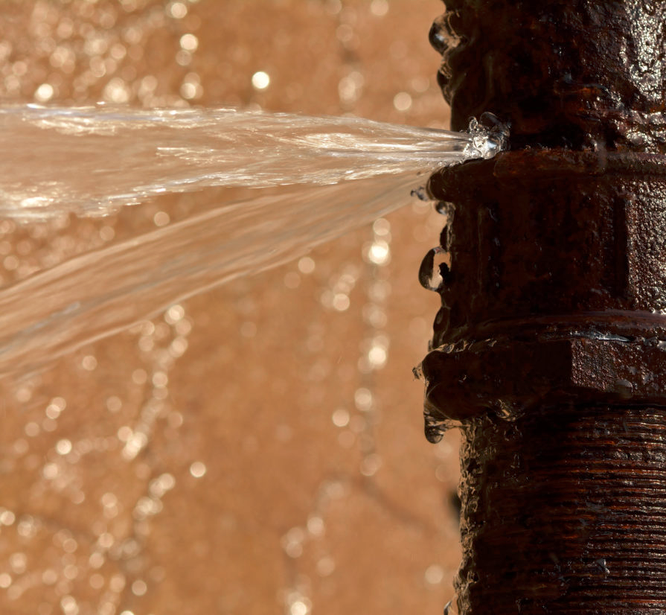
Low water pressure in Mississauga and Toronto homes often stems from common issues like corroded pipes, faulty pressure regulators, or municipal supply problems. Diagnosing the cause involves checking valves, aerators, and for leaks. Solutions range from simple DIY fixes to professional plumbing interventions, ensuring a steady water flow throughout your home.
Understanding Low Water Pressure in Your Home
Experiencing a weak trickle instead of a strong stream from your taps can be incredibly frustrating. Low water pressure isn’t just an inconvenience; it impacts daily routines, from showering to doing laundry. In the Greater Toronto Area (GTA), homes vary widely in age and plumbing infrastructure, meaning the causes of diminished water pressure can be diverse. Identifying the root cause is the first step toward restoring optimal water flow and preventing potential plumbing issues from escalating.
In industrial setting – Read more about Low Water Pressure in Industrial Buildings? Causes & Solutions
Common Causes of Low Water Pressure in the GTA
Low water pressure can originate from various sources, both within your property and from the municipal supply. Understanding these potential culprits is crucial for effective troubleshooting.
Municipal and External Factors
Sometimes, the issue lies beyond your property line, affecting entire neighbourhoods.
•Aging Infrastructure: Many older neighbourhoods in Toronto feature decades-old municipal supply lines. Over time, these pipes can corrode, joints can loosen, and mineral deposits can accumulate, increasing resistance and reducing water flow before it even reaches your home .
•Municipal Supply Issues: The City of Toronto occasionally performs maintenance on its water infrastructure, which can temporarily affect water pressure. Main breaks or adjustments to the water supply can also lead to widespread pressure drops. If your neighbours are experiencing similar issues, the problem likely originates from the city’s side .
•High Demand Periods: During peak usage times, such as early mornings or evenings, increased demand on the municipal water system can lead to temporary pressure reductions across an area.
Internal and Home-Specific Factors
More often, low water pressure is a localized problem within your home’s plumbing system.
•Old or Corroded Pipes: Homes with older galvanized steel or lead pipes are particularly susceptible to internal corrosion and mineral buildup. Toronto’s water, with its moderate mineral content, can contribute to calcium and magnesium deposits inside pipes, narrowing the pathway for water and restricting flow . This is a common issue in many historic Toronto properties.
•Hidden Plumbing Leaks: Even a small, undetected leak can significantly reduce water pressure by diverting water away from your fixtures. Leaks can occur under floors, behind walls, or in basements and crawl spaces, often going unnoticed until pressure drops or water bills increase .
•Partially Closed or Faulty Valves: If you’ve had recent plumbing work, renovations, or a water shut-off, your main water shut-off valve or individual fixture valves might not be fully open. Over time, these valves can also become stiff or faulty, impeding water flow .
•Clogged Faucet Aerators and Showerheads: Mineral deposits from hard water are notorious for accumulating in the tiny screens of faucet aerators and showerheads. This localized buildup can drastically reduce water flow to specific fixtures, making it seem like a broader pressure problem .
•Faulty Pressure Regulator (PRV): Many Toronto homes are equipped with a pressure-reducing valve (PRV) designed to maintain water pressure at safe levels. If this valve malfunctions, it can either restrict pressure too much or allow inconsistent pressure, leading to noticeable drops throughout your house .
•Simultaneous Water Use: If your water pressure drops significantly when multiple appliances (e.g., dishwasher, washing machine) or fixtures (e.g., two showers) are used simultaneously, your home’s plumbing system may not be adequately sized to handle the combined demand .
Diagnosing Low Water Pressure: A Step-by-Step Approach
Pinpointing the exact cause of low water pressure requires a systematic investigation. Here’s how you can diagnose the problem:
1.Check All Fixtures: Determine if the low pressure is affecting a single tap, a specific area (e.g., bathroom), or your entire home. If it’s isolated, the problem is likely with that fixture or its immediate piping .
2.Inspect Main Shut-Off Valve: Locate your home’s main water shut-off valve (typically in the basement near where the water line enters) and ensure it is fully open. A partially closed valve can restrict water flow to the entire house .
3.Clean Faucet Aerators and Showerheads: Unscrew aerators from faucets and showerheads. Check for mineral buildup or debris. Clean them thoroughly by soaking in vinegar and scrubbing, then reattach .
4.Use a Water Pressure Gauge: For a precise measurement, attach a water pressure gauge to an outdoor spigot or laundry tub faucet. Optimal residential water pressure typically ranges between 40-60 pounds per square inch (psi) .
5.Look for Visible Leaks: Inspect exposed pipes in your basement, utility room, and under sinks for any signs of leaks, damp spots, or water stains. Even minor drips can indicate a larger hidden leak .
6.Assess Your Pressure Regulator: If your home has a PRV, it might be faulty. While testing a PRV can be complex, inconsistent pressure or sudden drops often point to its malfunction. This usually requires professional assessment .
7.Contact City of Toronto: If the low pressure affects your entire neighbourhood, contact Toronto Water (by calling 311) to inquire about ongoing maintenance, main breaks, or to request a low water pressure test. The City considers water pressure equal to or more than 7 L/min acceptable .
Solutions for Restoring Your Water Pressure
Once you’ve identified the cause, you can implement the appropriate solution. Some fixes are DIY-friendly, while others require professional expertise.
| Problem Category | Specific Issue | DIY Solution | Professional Solution |
| Internal Plumbing | Clogged Faucet Aerators/Showerheads | Clean or replace aerators/showerheads | N/A |
| Partially Closed Valves | Fully open main shut-off and fixture valves | N/A | |
| Minor Leaks (visible) | Apply temporary fixes (e.g., plumbing tape) | Leak detection and repair, pipe replacement | |
| Corroded/Old Pipes | N/A | Repiping with PEX or copper | |
| Faulty Pressure Regulator (PRV) | N/A | PRV inspection, adjustment, or replacement | |
| Sediment Buildup in Pipes | N/A | Professional pipe flushing or descaling | |
| External/Municipal | Municipal Supply Issues | Contact Toronto Water (311) for updates | City of Toronto repairs (if issue is on their side) |
| High Demand Periods | Stagger water usage during peak times | N/A | |
| Advanced Solutions | Persistent Low Pressure (whole house) | N/A | Installation of a water pressure booster pump |
When to Call a Professional Plumber
While some minor issues can be resolved with DIY efforts, persistent or complex low water pressure problems are best handled by licensed professionals. A qualified plumber can accurately diagnose hidden leaks, assess the condition of your pipes, and expertly replace or adjust components like pressure regulators. For homes in Toronto with older plumbing systems, a professional assessment can identify underlying issues that might lead to more significant problems if ignored.
Why Choose Select Plumbing for Your Water Pressure Needs?
At Select Plumbing, we understand the unique plumbing challenges faced by homeowners across the GTA. Our experienced and licensed plumbers are equipped with the knowledge and tools to accurately diagnose and efficiently resolve any low water pressure issue, from minor clogs to comprehensive repiping projects. We pride ourselves on providing honest recommendations and reliable solutions that restore comfort and functionality to your home.
Don’t let low water pressure disrupt your daily life. Contact Select Plumbing today for a professional assessment and expert solutions tailored to your home.

Frequently Asked Questions About Low Water Pressure
Q1: What are the most common causes of low water pressure in homes?
A1: The most common causes include corroded or old pipes (especially galvanized steel), hidden plumbing leaks, partially closed main water shut-off valves, clogged faucet aerators and showerheads, and faulty pressure-reducing valves (PRVs). Municipal issues, such as aging infrastructure or maintenance, can also contribute.
Q2: How can I check my home’s water pressure myself?
A2: You can check your home’s water pressure by purchasing a water pressure gauge from a hardware store. Attach it to an outdoor spigot or a laundry tub faucet and open the tap fully. An ideal reading for residential properties is typically between 40 and 60 psi.
Q3: When should I call a plumber for low water pressure?
A3: You should call a plumber if the low water pressure affects your entire home, persists after checking basic DIY fixes (like fully opening valves or cleaning aerators), if you suspect a hidden leak, or if you believe your pressure-reducing valve is faulty. Professionals can accurately diagnose complex issues and provide lasting solutions.
Q4: Can low water pressure damage my home appliances?
A4: Yes, consistently low water pressure can negatively impact appliances that rely on a steady water supply, such as dishwashers, washing machines, and water heaters. It can lead to inefficient operation, longer cycle times, and potentially premature wear and tear on components.
Q5: What is a water pressure regulator, and how does it affect my home’s water pressure?
A5: A water pressure regulator (PRV) is a valve installed on your main water line that reduces and maintains the water pressure from the municipal supply to a safe and consistent level for your home’s plumbing system. If a PRV malfunctions, it can cause erratic or consistently low water pressure throughout your house, requiring professional inspection and potential replacement.
